
Pros and Cons of the Fire Movement
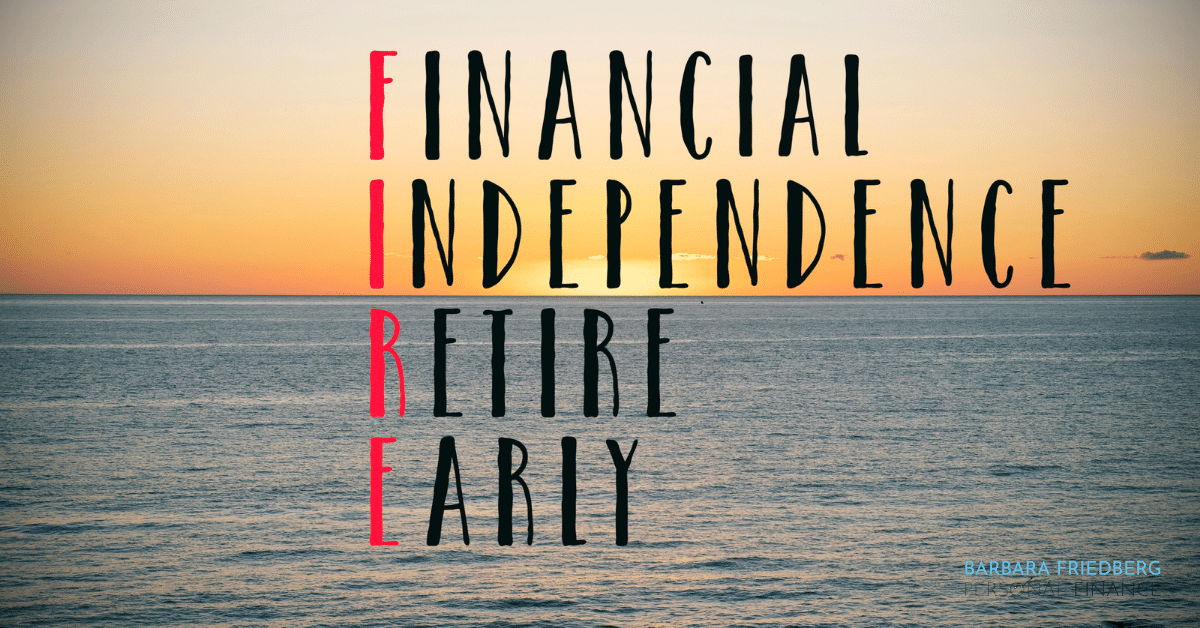
FIRE , or Financial Independence Retire Early – is popular among millennial’s – and older adults too.
Inspired by the classic book, “Your Money or Your Life,” by Vicki Robin and Joe Dominguez, FIRE is an acronym – Financial Independence, Retire Early. Thousands of diligent workers are striving to live with less to retire young. But, to what end?
I read the book when it first came out in 1992 and I like the living with less idea. It’s smart for the environment and your financial well-being. Living below your means, relieves money stress! In fact, I was raised with fiscally conservative parents and adopted a fiscally conservative mindset.
It’s not hard for us to live beneath our means, because my family has engaged in this practice forever. We splurge on what matters, while cutting back in other areas. But there’s more to the freedom to retire than aggressive saving, investing, and multiple streams of income.
Don’t get me wrong, reaching financial independence is great, as it relieves a big life stress, that of not having enough money.
What is the allure of early retirement? I don’t get it. Find out about the types of FIRE, ways to retire early and whether it makes sense for you.
This article may contain affiliate links which means that – at zero cost to you – I might earn a commission if you sign up or buy through the affiliate link.
What is the FIRE Movement or Financial Independence Retire Early?
The FIRE movement, or Financial Independence Retire Early has grown into a community of extreme savers and investors who want to retire from the traditional workforce earlier than the norm. Many FIRE retirement enthusiasts strive to retire in their 30’s and 40’s by saving approximately 70% of their income, investing their money, and living off the income from their portfolios and other side hustle income.
Ways to Retire Using the FIRE Method
The FIRE lifestyle is multidimension, with various versions. Although, I initially said FIRE is a bad idea, I’ve revised my thoughts about the FIRE number and the FIRE movement.
FIRE enthusiasts come in various forms:
- Lean FIRE – Those that live frugally and plan to do so in the future. Lean FIRE retirees don’t need to save as much as many others due low expenses now and in the future.
- Coast FIRE – The Coast FIRE group aren’t always trying to retire early but are seeking financial independence and the potential to stop saving. The Coast FIRE practitioners build up a large financial cushion early in life, so they can “coast” into retirement, with few financial concerns.
- Fat FIRE – Fat FIRE is for those that want a luxurious lifestyle in retirement. This requires greater early sacrifice, saving and investing, to amass more money for later.
- Barista FIRE – Barista Fire is for those who don’t earn six figures and aren’t seeking full retirement early. The Barista Fire clan want the freedom to retire from full-time work and replace that with part time jobs, such as being a bar tender.
- Cash Flow Financial Independence – This FIRE method leans towards generating multiple streams of income, to cover living expenses.
Let me clarify, I don’t think all early retirement ideas are unwise. But, I’m not a fan of beginning retirement in your 30’s to live a life of total leisure, with a lack of any productive activity.
In fact, despite my perceived FIRE negativity, most of those seeking FIRE and ways to save money aggressively aren’t looking to “do nothing” after retirement.
It’s important to create wealth and live below your means, for a satisfying life, but I don’t understand the goal of 55 years without working.
An alternative to FIRE to do nothing for 50 years, would be to find work that you enjoy or cash flow financial independence or Barista FIRE.
The freedom to save and invest so that you can do work you enjoy – regardless of the pay, makes sense. But it seems selfish to retire early to indulge yourself.
Warren Buffett, Martha Stewart, Barbara Corcoran, John Bogle and other wealthy entrepreneurs are inspiring and worked past their 70’s. They’re contributing to society.
FIRE Pros and Cons
FIRE Pros
- Potential for long term financial comfort and less money stress.
- Opportunity to live a purpose driven life and focusing on things that matter to you.
- Greater lifestyle choices.
- A variety of different ways to FIRE.
FIRE Cons
- The potential for inflation to destroy all FIRE assumptions and leave you with insufficient funds.
- Requires long periods of time living very economically and delaying gratification.
- Sacrificing many present lifestyle choices in exchange for the expectation of future financial comfort.
- Running out of money later in life.
- Sacrificing career opportunities.
- Many FIRE proponents have high six figure salaries, which make attaining FIRE easier than those with more normal incomes.
There’s little doubt that saving and investing for the future, is a sound strategy to stretch your current earnings over your total life. Finding ways to save money and avoid the trap of keeping up with the Jone’s is a prudent lifestyle choice as well. But, whether FIRE retirement is for you or not, isn’t a simple decision.
Empower is a free online net worth calculator, with an investment check up and advanced retirement calculator. Sign up for free, link your accounts, and create your best financial plan.
More Thoughts about the FIRE Lifestyle
If you want to learn more about FIRE and who’s writing about it, here are some FIRE articles from popular online FIRE writers:
“VTSAX vs. VTI: Which Will Get You to FIRE Faster?” by Kevin Mercadante at Best Wallet Hacks. Comparison of two of the best diversified stock market index funds, which will grow your investment portfolio.
“How to Calculate Your Fire Number,” by Rachel Christien at Bankrate. The basic way to calculate your FIRE number is to multiply your projected annual expenses by 25. This is rather simplistic and might require a deeper dive into retirement planning with a FIRE retirement calculator. We like the Empower Retirement Calculator.
“Financial Freedom vs Financial Independence: Which Are You Striving For?” at How to Fire. Financial freedom and financial independence are both laudable goals, and quite similar. Learn the similarities and differences, and ways to grow your net worth.
Empower is a free online net worth calculator, with an investment check up and advanced retirement calculator. Sign up for free, link your accounts, and create your best financial plan.
“How Your Investments Can FIRE Your Financial Freedom Goals,” by Angela Lmtipton at Fire Your Career. Investing has been among the best ways to create long term wealth. Angela breaks down basic investing for those beginners who want to construct an investment portfolio as part of their FIRE strategy.
“Favorite FIRE Investments in Your ROTH IRA,” by Matt Ryan Webber at Investopedia. As an investment writer at Investopedia, I can vouch for the quality of their content. Learn about which types of assets have strong potential to make your ROTH IRA grow.
“Black FIRE Series,” by Timika Downes at Reluctant Frugalist. Tamika covers the challenges that African Americans might encounter while striving for the FIRE Freedom to retire. Her step-by-step FIRE guide is useful for anyone seeking a primer on how to get started with the Financial Independence Retire Early path.
“Slow FI: The Real YOLO,” by Jess and Corey at The Fioneers. This is a link to a series of interviews with various folks on the Financial Independence journey. The Fioneers is dedicated to those seeking financial success with many helpful resources.
“The Problem with the 4% Rule (and Why You Could Retire Even Sooner)” at Mad Fientist. This collaboration with Nick Maggiulli from Of Dollars and Data dances around the 1980’s William Bergen thesis that an approximate 4% annual withdrawal in retirement will likely avoid running out of money. The authors contrast the implication of this rule for the early retiree with those retiring in their 60’s and 70’s. Additionally, the Mad Fientist blog and podcast are replete with anything you might want to learn about the FIRE lifestyle.
If you need help with your investments, we’ve partnered with WiserAdvisor to provide you with access to three vetted Financial Advisors – in your area. Click the image below to sign up. (no obligation when signing up)

FAQ
Multiply your projected annual expenses by 25 and that is the amount of savings that you might need to retire, according to the 25x Retirement Rule. Like any other approximations, this FIRE number is an estimate. We recommend using a FIRE calculator and your own analysis to come up with an amount of savings that you believe will support your retirement. Checking with a financial advisor is also a good idea, when researching your FIRE number. We partner with the WiserAdvisor FREE financial advisor matching service
FAT FIRE is a derivation of the “Financial Independence Retire Early” movement. Designed for high earners, FAT FIRE who expect to need more than $100,000 annually in retirement and prefer a lavish lifestyle. Due to their expectations for a fancy lifestyle in retirement, FAT FIRE proponents must cut expenses to the absolute minimum earlier in their adult life, in order to fund their future lifestyle. FAT FIRE proponents do not expect to work in retirement.
The easiest way to start your FIRE journey is to cut expenses as much as possible and increase contributions to retirement and taxable investment brokerage accounts. You might want to consider moving to a low cost of living area or choose an ultra-small dwelling. Growing multiple streams of income through part time work and side gigs can help fund your investment accounts.
While the typical FIRE number is 25 x your projected annual expenses in retirement, the Coast FIRE number is much lower. The reason for the lower Coast FIRE number is because Coast FIRE recommends saving and investing aggressively early in your working years. According to the Coast FIRE assumptions, at some point you’ll have enough savings and investments to stop saving, and “coast” into retirement at the typical 65 to 70 years old.
After reviewing the Coast FIRE calculation, on several websites, I determined that using their formula, this number seems way too low, given the uncertainty of the investment markets. Our advice, for those seeking to build up their savings and investments while they’re younger and ultimately halting the savings, is to take step one first.
After you’ve built up a robust high 6 or 7 figure next egg, then use a retirement calculator, which incorporates a Monte Carlo estimate of potential rates of return, to find out if you can stop saving, or you’ll need to continue for a few more years.
FIRE – The Freedom to Retire Early Wrap Up
The FIRE concept is not monolithic. There are a variety of ways to seek early retirement. But, as someone who has reached her financial number and is still working, life is more about the journey, than the destination. FIRE in and of itself isn’t bad, but living a life without meaning or contribution to the greater good doesn’t work. Whether you’re striving to retire at 40 or want to build up enough cash to take control of your financial future, there are pros and cons of FIRE. So, whether your seeking financial independence to retire early or just to be a good steward of your money, there are ways to meet those goals.
The best financial habits revolve around living below your means, saving and investing for tomorrow, and making deliberate lifestyle choices. Whether you retire in your 30’s, 40’s, 50’s or beyond, develop a plan for a meaningful life. Live and spend with intent. You’ll enjoy your life and appreciate what you have.
If you need help with your investments, we’ve partnered with WiserAdvisor to provide you with access to three vetted Financial Advisors – in your area. Click the image below to sign up. (no obligation when signing up)
Related
- Retireable Review – Income Streams and Low Fee Financial Planning
- How Can I Tell If I’m Track For Retirement?
- Which Investment Carries The Least Risk?
- 15 Best Ways To Withdraw From Retirement Accounts
- 401K Myths Exposed – The Truth About The 401K
- Too Scared To Retire?
- Should A 30 Year Old Plan For Retirement?
- Checkbook IRA – The Ultimate Guide
Disclosure: Please note that this article may contain affiliate links which means that – at zero cost to you – I might earn a commission if you sign up or buy through the affiliate link. That said, I never recommend anything I don’t believe is valuable.
