
Top 7 Unique Ways to Save Money – Financial Freedom Within Reach
By Barbara Friedberg in Saving
Saving is one of the most challenging aspects of “adulting.” While most people want to save, only a few accomplish it. But for those who do, the results of saving up life-changing. Look at saving money through a unique lens. Replace the “money” reference with “freedom”. The more money you save, the more freedom you have in your future life.
Here are top 7 unique ways to save money and achieve financial freedom:
1. Unique Way to Save Money – Divvy Up Your Paycheck
Adjust your thinking about your paycheck. It’s your path to freedom. Divide your paycheck between your checking, savings, investment and 401(k) accounts. Spend what’s in your checking. Savings account is for emergencies. Investment account is for mid-term goals and investing in the financial markets. You 401(k) is for retirement.
This unique saving strategy tackles all your financial goals bit-by-bit, with each paycheck.
2. Unique Way to Save Money – Shop on Wednesdays Alone
Businesses take advantage of the high volume of customers during weekends, so discounts occur during the mid-week because foot traffic is not at its peak. This method also works for airfare. There is also a high probability of shopping alone during the mid-week because family members or friends usually get together on weekends. The bonus of shopping alone – you are less likely to give in to impulse buying as compared to when you’re with others.
3. Unique Way to Save Money – Be a Smart Buyer
When feeling the urge to buy something, count 30 days. If after that, if it’s still worth buying, go for it. This 30-day leeway protects people from giving in to the urge of purchasing something at first sight. Most likely, if it no longer appears purchase-worthy after 30 days, it is not that essential. If you can’t wait 30 days, try a week. If you can’t wait a week, try 24 hours.

Also, delete the automatically typed credit card numbers in online accounts. Manually keying in the credit card number during every purchase takes a little bit more time and encourages you to reconsider the purchase before buying.
4. Unique Way to Save Money – At the Cash Register and Beyond
When paying at the counter, eyes on the cashier! Small items near check out, like mini chocolates, are meant to be the final temptation for consumers. They’re tempting and expensive. Avoid the urge to buy.
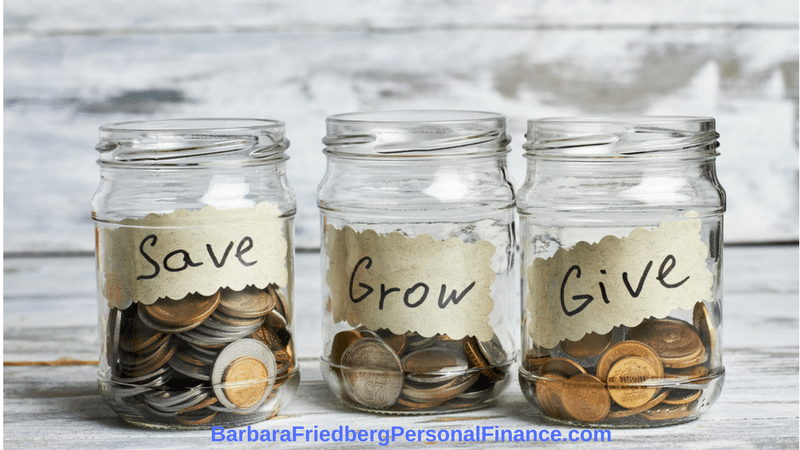
Once done purchasing, save up spare change. Randomly put those coins or small bills in bag pockets and transfer them to a jar, at home. Periodically deposit the coins into your savings account. Those forgotten quarters, add up to real money.
Consider using a debit card with the “round up” feature like Stash or Acorns. These apps transfers the difference between the purchase amount and next dollar into an investment account.
Read: Why Can’t I Save Money? Tips To Overcome Your Savings Barriers
5. Unique Way to Save Money – Use Credit-Debit Cards
Use credit cards as pass-through mechanisms for purchases. Meaning, purchase using the credit card then pay the bill weekly or bi-weekly, instead of monthly. Use your credit card like a debit card. Purchase only when you have enough cash for the purchase. Then, you’ll accrue cash back on your credit card and won’t risk paying credit card interest.
6. Unique Way to Save Money – Take Care of Yourself
This is the most important unique way to save money – maintain a healthy lifestyle. By eating well, exercising and getting enough rest, you’ll cut down on sickness and the additional costs that come with it. Try an affordable fitness tracker and be aware of your steps. It makes fitting in exercise breaks really easy. I just got the Lintelek Heart Rate Fitness Tracker Watch and increased my walking by 25% per day since I started wearing it. Start walking close distances, stairs and bike as a cheaper alternative to driving.
7. Unique Way to Save Money – At Home
Try meatless Mondays and go for veggie meals. It’s amazing how much a veggie burger resembles a hamburger. For household appliances, choose energy-saving ones. They’re cheaper, protect the environment and your family. Be creative with leftovers and throw them into casseroles and soups. Drink water. It’s cheaper and healthier.
Use unique ways to save for financial freedom. It’s a matter of choosing the right alternatives for saving. Savings and financial freedom are defined by every choice you make. It’s difficult to start, but once you get in the saving habit, it gets easier. And before long, you’ll discover your own unique saving strategies.
Easiest way ever to make cash! Get paid when you do stuff online with Inbox Dollars. My readers love to watch videos, take surveys, play games, and earn free stuff just by hanging out online. And for a limited time you get a free $5.00 sign up bonus!
Bonus Tip – Save by Living Cheap
I’ve lived beneath my income forever and by saving and investing the difference between my income and spending, my family has been able to build wealth. Living frugally is not easy, but like any habit, if you practice the skills over time it will save you money.
Bonus: Should I Buy A Rolex
Disclosure: Please note that this article may contain affiliate links which means that – at zero cost to you – I might earn a commission if you sign up or buy through the affiliate link. That said, I never recommend anything I don’t believe is valuable.


25 thoughts on “7 Unique Ways to Save Money – Financial Freedom Within Reach”
Wow, thank you for these very practical tips. Can I share it?
Thank you. Of course you can share, with attribution back to this website 🙂
thank you for the advice
The mid-week shopping insight really stood out to me—especially the note about impulse buying being less likely when you’re alone. It reframes a practical tip into something almost psychological, which makes it stick.
Barbara, what a brilliant take on saving! Reframing “money” as “freedom” is such a powerful motivator. I especially love the “Divvy Up Your Paycheck” strategy – it’s so practical for tackling different financial goals simultaneously. And the tip about shopping on Wednesdays is something I’d never considered but makes perfect sense for grabbing discounts. These unique insights are truly inspiring for anyone aiming for financial independence. It reminds me how crucial good planning is, almost as much as having a reliable tool like a BA II Plus Financial Calculator for managing those divided funds!
This is a fantastic and insightful post, Barbara! I especially love the “freedom” analogy for saving – it truly reframes the entire concept. The idea of divvying up paychecks and even shopping on Wednesdays are practical, unique tips I can definitely implement. Thanks for sharing these actionable strategies to reach financial freedom, which is always a great goal to achieve, as discussed on Block Poster.
Barbara, this is fantastic! I love how you frame saving as achieving “freedom” – it really shifts the mindset. The idea of divvying up paychecks and shopping mid-week are such practical, actionable tips. It’s refreshing to see unique perspectives on an often daunting topic. I’m excited to read the rest of the 7 tips. Thanks for sharing such valuable insights, and it reminds me of how tools like Image to Line help streamline complex tasks.
This is a fantastic and much-needed perspective on saving! I especially love the idea of reframing money as “freedom.” It truly shifts the mindset. The “Divvy Up Your Paycheck” strategy is brilliant for breaking down big goals into manageable steps. And the tip about shopping on Wednesdays alone? Genius! It’s those small, smart changes that really add up over time. Thanks for sharing such practical and inspiring advice for achieving financial freedom. I’m always looking for smart ways to manage my resources, almost as if I’m calculating the most efficient use of every square feet calculator in my life.
Barbara, this is a fantastic article! The “freedom” analogy for saving money is so empowering and really reframes how I think about my finances. Dividing the paycheck strategically makes so much sense for tackling different financial goals simultaneously. And the tip about shopping mid-week – pure genius! It’s such a simple yet effective way to save, and I’d love to see more creative tips like these. It’s truly inspiring to see practical advice for achieving financial freedom. Your unique insights make a real difference.
This is a fantastic and refreshing take on saving! I especially appreciate the idea of reframing money as “freedom”—it truly changes the perspective. The tip about divvying up paychecks for different goals is so practical, and I’ve never really considered shopping mid-week for discounts. These unique strategies are incredibly helpful for anyone striving for financial freedom, and understanding the long-term impact of savings often makes me think of how valuable tools like a TVM Calculator can be for planning. Great article!
Barbara, this is a fantastic article! I particularly love the “Divvy Up Your Paycheck” strategy – it’s such a practical way to tackle multiple financial goals at once, and reframing saving as “freedom” is truly inspiring. The tip about shopping on Wednesdays is also brilliant; it’s those small, smart changes that really add up. I think many readers would find a tool like a Savings Calculator incredibly helpful to visualize how these strategies can impact their financial future. Thanks for these actionable insights!
The paycheck-splitting idea stood out to me because it turns saving into an automatic habit rather than a monthly dilemma. I also liked the Wednesday shopping tip, since avoiding weekend crowds and shopping alone can genuinely reduce impulse buys. The 30-day rule and the round-up apps are practical, though I wish the article had addressed how to handle irregular income when dividing each paycheck.
The suggestion to divvy up each paycheck across checking, savings, investment and 401(k) accounts stands out because it turns an abstract goal into a routine per-paycheck decision. I also appreciated the 30-day rule for non-essential purchases and the simpler fallback of waiting a week or even 24 hours, which makes the advice realistic for people who struggle with impulse buys. The mid-week shopping tip is a clever angle since fewer crowds and fewer companions naturally reduce temptation. Overall, the piece frames saving as buying future freedom rather than just restricting spending, which makes the habits easier to stick with.
The Wednesday shopping tip is one I hadn’t considered, and the point about shopping alone reducing impulse buys makes sense since weekends tend to invite group spending. I also liked the 30-day rule for non-essential purchases, because manually typing card numbers online really does add friction. The paycheck-splitting strategy is practical too, though the article could have explained how to decide the right percentages for each account.
The advice to split your paycheck across checking, savings, investment, and 401(k) accounts is a practical way to turn saving into a habit rather than an afterthought. I also liked the suggestion to delete stored credit card numbers online, since manually entering them adds just enough friction to make you pause. The 30-day rule for impulse purchases feels realistic, especially with the option to scale it down to a week or 24 hours when needed.
The idea of dividing each paycheck across checking, savings, investments and a 401(k) is a practical way to make saving automatic rather than aspirational. I also liked the 30-day rule for non-essential purchases, since it directly targets impulse buying, and the reminder to look away from checkout temptations. The suggestion to pay credit card bills weekly instead of monthly is an underrated trick that keeps spending tied to actual cash flow.
The 30-day rule in this piece is the advice I find hardest to follow, but it really does separate a genuine need from a passing urge. I also like the idea of splitting each paycheck across checking, savings, investments, and a 401(k) before any spending happens, since it turns saving into a default rather than a monthly decision. The point about manually re-entering card details online is a small friction that genuinely slows impulse buys. The round-up apps and spare-change jar feel more modest by comparison, but they still reinforce the habit.
The tip about shopping on Wednesdays stood out to me because it connects two ideas I had not linked before: midweek discounts from lower foot traffic and the reduced impulse spending that comes from shopping alone. Dividing each paycheck across checking, savings, investments, and a 401(k) also feels more practical than vague budgeting advice, since every dollar gets a purpose. The 30-day rule and removing saved card numbers are small friction tricks that could genuinely help, though I would have liked more detail on how to start if saving feels impossible right now.
The advice to split each paycheck across checking, savings, investments, and a 401(k) is a practical way to make saving automatic rather than relying on willpower. I also appreciate the 30-day rule for non-essential purchases, since delaying a purchase often reveals whether it was a real need or just an impulse. The suggestion to treat credit cards like debit cards and pay weekly or biweekly is smart, because it captures rewards without carrying a balance. One small addition: the article mentions round-up apps, and pairing that with the coin jar habit could make the savings feel almost effortless.
The 30-day rule for non-essential purchases is the tip I’ll actually try, especially paired with deleting saved card numbers so every checkout takes deliberate effort. I also like the framing of swapping “money” for “freedom,” though the Wednesday shopping advice feels thinner since midweek discounts vary a lot by retailer. The paycheck-splitting idea is solid, but for anyone without a 401(k) or investment account, the article could say more about where that money should go instead.
This is a fantastic and incredibly practical post, Barbara! I love how you frame saving as a path to “freedom” – that reframing alone is powerful. The idea of divvying up paychecks right away across different goals is brilliant and tackles procrastination head-on. And shopping on Wednesdays? That’s a clever, actionable tip I hadn’t considered. I’m always looking for smart ways to optimize my spending and savings, and this article provides some fresh perspectives that genuinely resonate. It reminds me of the kind of insightful advice I often find myself searching for online, like when I’m looking for tips from AI Rumpelstiltskin. Thanks for these unique strategies!
Barbara, this is a fantastic and much-needed post! “Replace the ‘money’ reference with ‘freedom'” is such a powerful reframing—it truly shifts the perspective on saving. I especially love the “Divvy Up Your Paycheck” advice; it’s practical and addresses multiple financial goals. The tip about shopping mid-week is also brilliant for finding better deals. Thanks for these actionable insights! I’m always looking for ways to optimize my finances and this article is super helpful. It reminds me of how much I appreciate tools that simplify complex processes, much like the convenience offered by Nano Banana 2.1 Video Generator for content creation.
The article’s introduction of its top 7 unique ways to save money and achieve financial freedom sets a focused structure for the advice that follows. This approach to building autonomy could connect to various fields including Hotel Lobby AI video.
I appreciated the practical perspective in “7 Unique Ways to Save That Will Pave the Way for Financial Freedom Tomorrow”. The point about droiddeck install was especially useful, and it gave me a clearer way to think about the subject.
These are genuinely useful ideas. I started tracking my subscriptions a few months ago and cancelling the ones I never use freed up more money than I expected. The small habits really do add up over a year, and pairing them with something fun like the freak circus keeps the motivation going instead of feeling like a punishment. Thanks for putting this list together.